Your electrical panel likely needs an upgrade if breakers trip repeatedly, the panel or breakers feel warm to the touch, lights flicker or dim when large appliances kick on, you still rely on a fuse box, you smell burning or hear buzzing near the panel, you depend on power strips and extension cords because outlets are scarce, or you're adding big loads like an EV charger or heat pump. These signs point to a panel that is aging, overloaded, or undersized for how you actually use electricity today. Panel work sits behind a live service, so it belongs to a licensed electrician, not a weekend project.
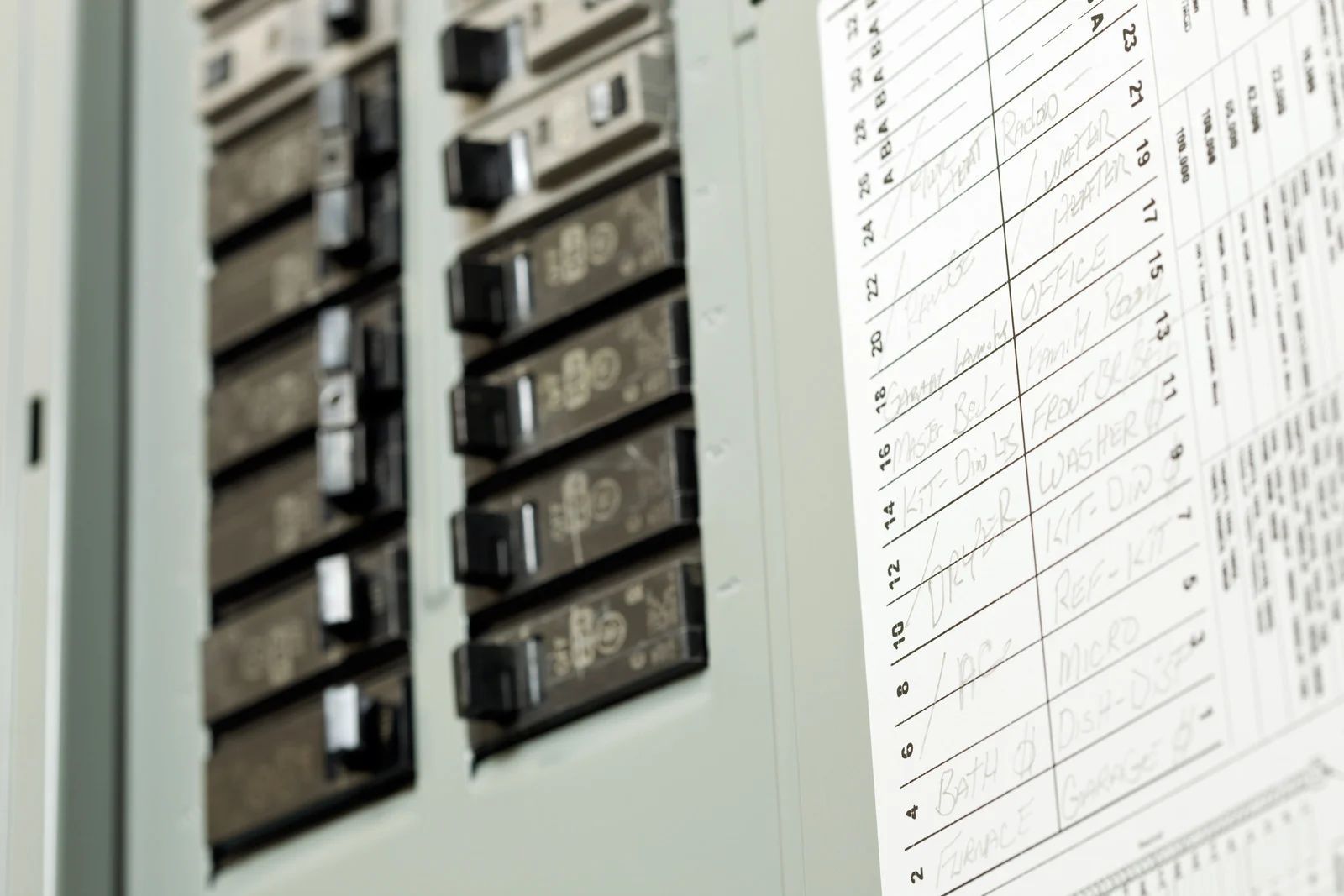
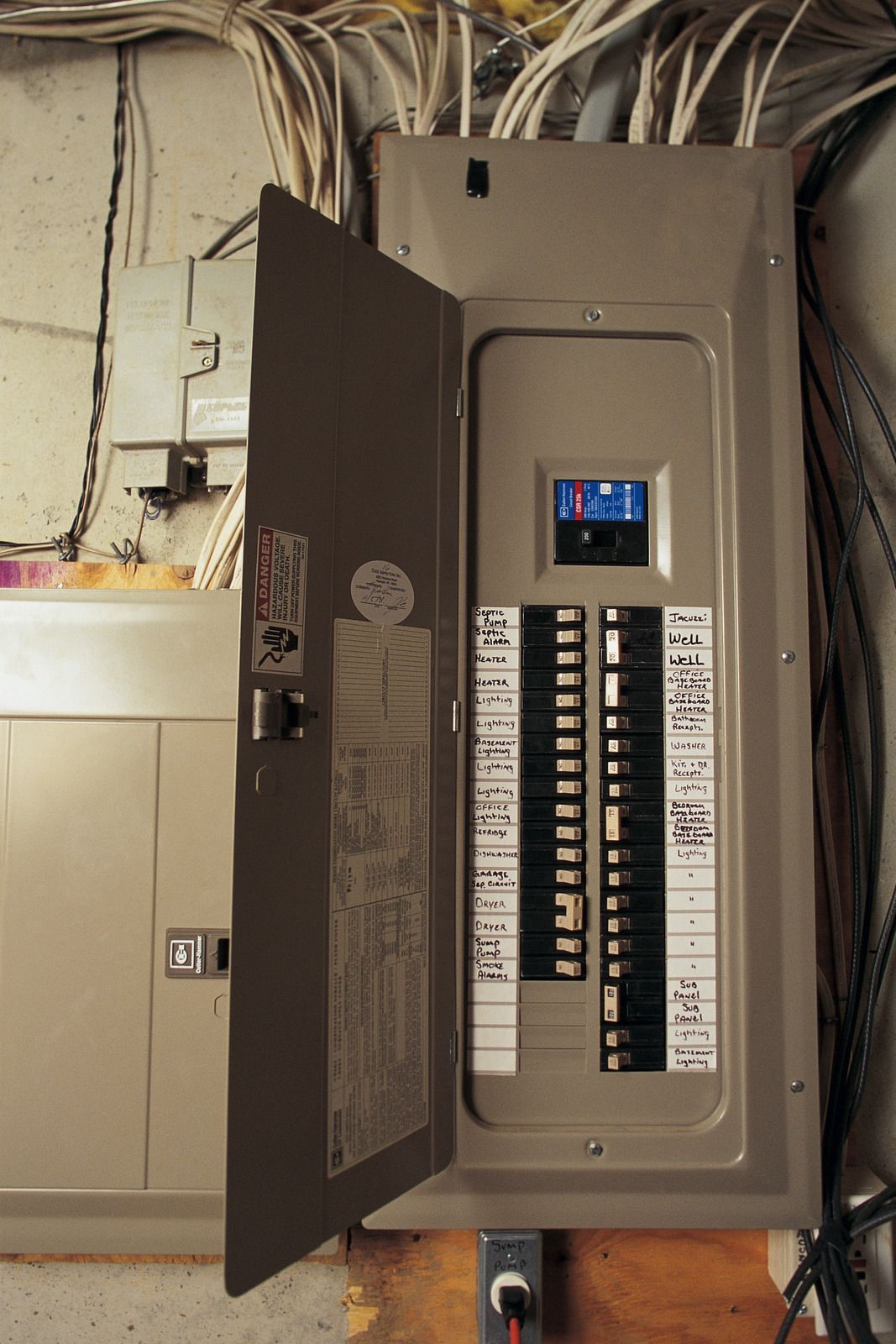
Most homeowners never think about the gray metal box in the garage, basement, or utility closet until something goes wrong. That box is the heart of your home's electrical system. Every circuit, every outlet, every light runs through it, and every safety device that protects your family lives inside it. When it starts falling behind the demands you put on it, the warning signs are usually quiet at first, then harder to ignore.
Across southwest Washington, a lot of homes were wired decades ago for a much simpler life. A property outside Toledo or Winlock built in the 1970s was never designed to run a modern kitchen, a home office, a hot tub, and a car charger at the same time. Add in the winter storms that roll through Lewis County and the surrounding area, and an already strained panel gets tested hard. Knowing what to watch for helps you act before a nuisance becomes a hazard.
WARNING: If you experience a surge event and notice any outlets that feel warm to the touch, smell burning plastic or a faint electrical odor near your panel, or hear buzzing from your walls, stop using those circuits and call a licensed electrician before restoring power to those areas. These signs indicate potential arc damage inside your wiring, which is a fire hazard.
Why Your Electrical Panel Matters More Than You Think
The panel does two jobs at once. It distributes incoming power to the individual circuits that feed your home, and it protects each of those circuits with a breaker or fuse that shuts the power off when something goes wrong. A breaker that trips is doing exactly what it should. The problem starts when the panel is too small, too old, or too damaged to keep up, because that is when protection gets unreliable and heat starts building where it shouldn't.
Panels wear out. Connections loosen over years of thermal cycling, breakers weaken, and the overall capacity that felt generous in 1985 feels cramped in a house full of electronics, induction cooktops, and fast chargers. The signs below are the ones worth taking seriously.
1. Breakers Trip Again and Again
An occasional trip is normal. A breaker that flips every time you run the microwave and the toaster together, or that keeps tripping on the same circuit week after week, is telling you that circuit is carrying more than it was built to handle. Sometimes the fix is redistributing loads. Often, in older homes, it means the panel simply doesn't have enough circuits to spread the demand the way a modern household needs.
Repeated tripping is not something to work around by swapping in a bigger breaker. A breaker is sized to protect the wiring behind it, and forcing more current through undersized wire is how walls get hot. When trips become a routine part of your day, have the panel and its circuits evaluated by a professional.
2. The Panel or Breakers Feel Warm
Walk over and put the back of your hand near the panel cover. It should feel cool and quiet. Warmth radiating from the metal, a breaker that feels hot, or a scorched or discolored spot around a breaker are all signs of a loose connection or an overloaded circuit generating heat. Heat inside a panel is the single most concerning symptom on this list because it is the early stage of a fire risk.
WARNING: Never open the panel cover to poke around inside if you notice heat, scorch marks, or a burning smell. The main lugs stay energized even with the main breaker off, and there is no safe way for a homeowner to inspect a live panel. Keep the cover closed and call a licensed electrician.
3. Lights Flicker or Dim When Appliances Start
If the lights dip every time the well pump, air handler, or refrigerator compressor cycles on, your panel or service may be struggling to deliver steady voltage under load. A brief flicker when a very large motor starts can be normal, but frequent dimming across multiple rooms usually signals an overloaded panel, a loose connection, or a service that is undersized for the home's real demand.
Rural properties in the area often run well pumps and septic systems that pull hard at startup. When the panel is already near its limit, adding those motor loads on top of everyday use pushes voltage around in ways you can see in your light fixtures.
4. You Still Have a Fuse Box
Plenty of older homes around Lewis County still run on a fuse box rather than a breaker panel. Fuses aren't automatically dangerous, but they come with real limitations. They're easy to over-fuse by installing the wrong size, they don't offer the modern protective features breakers do, and the total capacity of most old fuse setups is far below what a current household draws.
TIP: If you find yourself keeping a drawer full of spare fuses because they blow regularly, treat that as a clear message that the system is undersized for your needs. Frequent blown fuses are the fuse-box version of nuisance tripping, and they point toward the same solution.
If your home still relies on fuses, an upgrade to a modern panel gives you both more capacity and better protection for every circuit in the house.
5. Burning Smells, Buzzing, or Crackling Near the Panel
Your panel should be silent. A persistent buzzing, humming, or crackling sound, or any smell of hot plastic or burning near the box, points to arcing or a failing connection inside. These are not symptoms to monitor over the coming weeks. They call for prompt attention because arcing generates intense localized heat.
The same goes for outlets and switches elsewhere in the house. Warm cover plates, a faint burning odor, or brown scorch marks around an outlet often trace back to problems that a panel and wiring evaluation can uncover.
6. You Rely on Power Strips and Extension Cords Everywhere
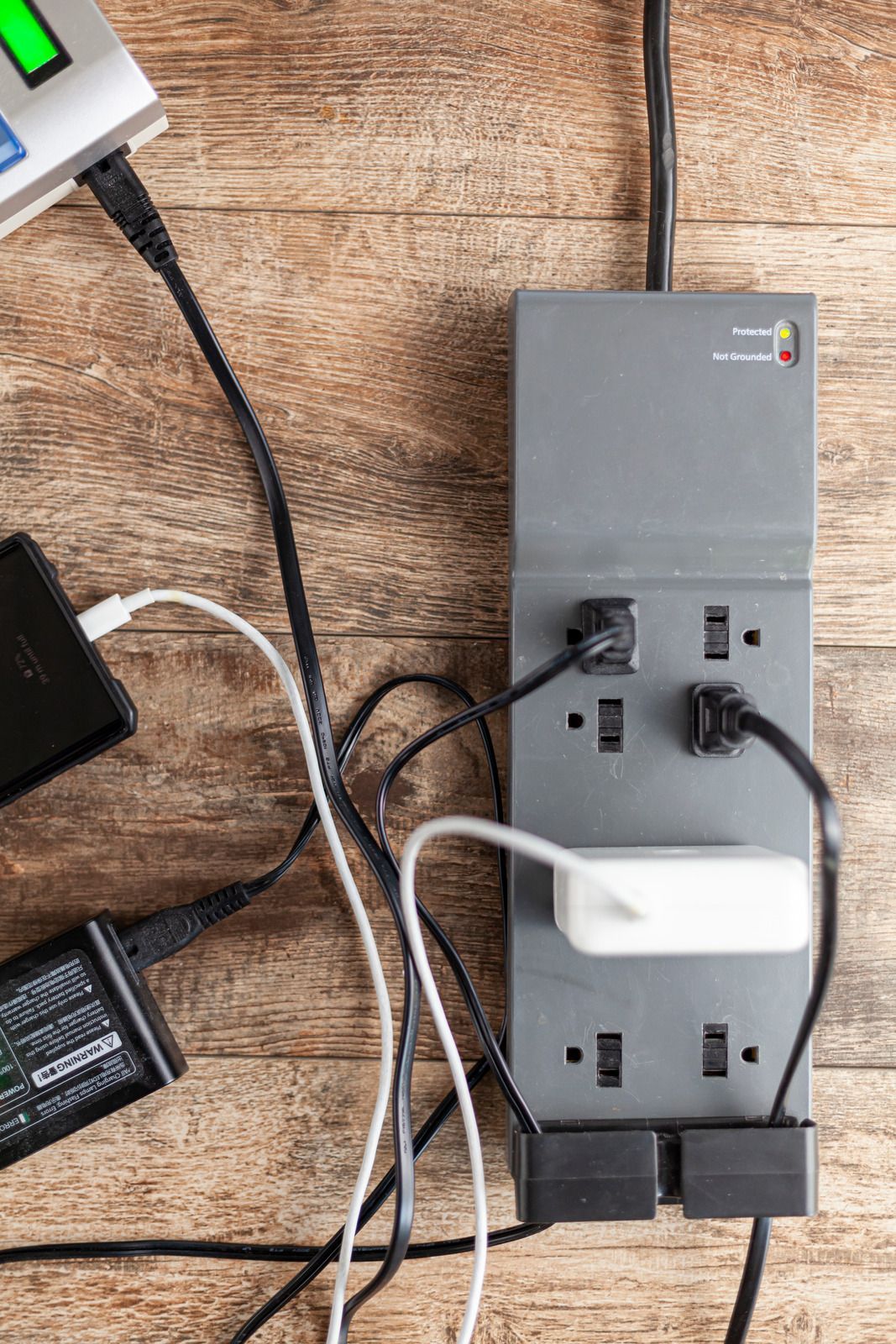
Look around your home. If nearly every room has a power strip feeding a cluster of devices, and extension cords snake across floors because there simply aren't enough outlets, your electrical system is out of step with how you live. Homes wired decades ago were planned for a fraction of the devices a modern family plugs in.
Piling loads onto a handful of circuits through power strips doesn't add capacity. It concentrates demand on wiring that was never meant to carry it. A panel upgrade paired with added circuits and outlets solves the root problem instead of stretching an old system thinner.
7. You're Adding Major New Loads
This is the sign that catches the most homeowners off guard. You decide to install an EV charger, a heat pump, a hot tub, a shop full of tools, or a backup generator, and you discover the existing panel has no room left and not enough service capacity to support it. Many older homes were built with 60-amp or 100-amp service that was reasonable at the time but leaves little headroom for today's biggest loads.
An EV charger alone can draw a substantial share of a smaller panel's capacity. Add a heat pump or a hot tub on top of it, and a 100-amp service can run out of room fast. If you're planning any of these projects, a service and panel evaluation should come first, so the foundation can actually support what you're building on top of it. Homeowners across southwest Washington are adding EV chargers and heat pumps at a steady pace, and the panel is where those plans succeed or stall.
What an Upgrade Actually Addresses
A panel upgrade is not just a bigger box. Depending on what the evaluation finds, the work can include replacing an outdated or damaged main panel, increasing service capacity so the home has real headroom, modernizing worn breakers, or adding a subpanel to distribute power more sensibly across a garage, shop, or addition. The goal is a system that matches how you actually use electricity, with reliable protection on every circuit.
For rural and older properties in particular, an upgrade also improves resilience. When winter storms knock out power across Lewis County and crews are working to restore it, a sound panel and properly wired service make it far safer to bring a generator online and ride out the outage. A tired, overloaded panel turns every added demand into a gamble.
When to Call a Professional
Some electrical issues have simple explanations. A single tripped breaker after plugging in a space heater is usually just an overloaded circuit. But the patterns on this list, repeated trips, heat, flickering across rooms, odors, buzzing, or a plan to add major loads, all warrant a professional evaluation. Panel work means working at the point where utility power enters your home, and that is never a place for do-it-yourself experimentation.
A licensed electrician can open the panel safely, measure the loads, check the condition of the breakers and connections, and tell you honestly whether you need a full upgrade or a smaller fix. That assessment is the difference between guessing and knowing.
Frequently Asked Questions
How do I know if my electrical panel is overloaded?
Repeated breaker trips, lights dimming when large appliances start, warm breakers or panel surfaces, and heavy reliance on power strips are common warning signs. Several of these together suggest your panel cannot safely meet your home's electrical demand.
Is a warm electrical panel dangerous?
Yes. Warmth often indicates a loose connection or overloaded circuit creating excess heat inside the panel. Never remove the cover to inspect it, as energized components remain live. Arrange a professional inspection as soon as possible.
Does adding an EV charger require a panel upgrade?
Often, yes. EV chargers create a significant electrical load, and many older 60-amp or 100-amp panels lack enough capacity or breaker space. A professional load evaluation determines whether your existing panel can safely support the installation.
Can I upgrade my electrical panel myself?
No. Electrical panel work involves energized service components that remain live even with the main breaker switched off. Safely upgrading a panel requires specialized training, protective equipment, and experience, making it a job for licensed electricians.
My home still has a fuse box. Do I need to replace it?
Not always, but frequent blown fuses suggest the system may be undersized. Older fuse boxes offer fewer safety features than breaker panels, and upgrading provides greater electrical capacity along with improved protection for modern household demands.
How often do electrical panels need to be replaced?
There is no fixed replacement schedule because panel lifespan depends on condition and usage. Older panels, especially those from the 1980s or earlier, or those showing warning signs, should be professionally evaluated to determine replacement needs.
Reliable Electrical Panels Support Safer Everyday Living
Your electrical panel is one of the hardest-working parts of your home, yet it often goes unnoticed until warning signs begin to appear. Repeated breaker trips, flickering lights, unusual heat, buzzing sounds, or an outdated fuse box are all indicators that your electrical system deserves closer attention. Addressing these issues early helps reduce unnecessary strain on your home's wiring while supporting dependable power for today's growing electrical demands.
For 16
years, CRU Electric
has helped homeowners throughout Toledo, Washington, keep their
electrical systems
safe, efficient, and ready for modern living. Whether you live in an older home or are preparing for future upgrades like an EV charger or heat pump, understanding your panel's condition is an important step toward maintaining reliable power and protecting your investment for years to come.