QUICK ANSWER: A breaker that keeps tripping is doing its job by shutting off power before wiring or connected equipment overheats. The three most common causes are an overloaded circuit pulling more current than the breaker is rated for, a short circuit where a hot wire contacts a neutral or ground wire, and a ground fault where current is leaking outside its intended path, often through moisture. Breakers also wear out mechanically with age, so a panel that has protected a home for a few decades can start tripping more often even when nothing on the circuit has changed. The pattern of the trip, whether it happens instantly, after a few minutes, or only when something gets damp, usually points to the cause. A breaker that will not reset, feels warm, or smells like burning plastic needs a closer look right away rather than repeated resetting.
The dishwasher was mid cycle, the porch light was on, and the space heater in the back bedroom had been running for maybe ten minutes when the house went dark on one side. If you have stood in that kind of half lit hallway wondering which appliance did it, you already know how little information a dead outlet gives you. Nothing smelled off, nothing sparked, the breaker in the panel had just quietly flipped to the middle position between on and off. That scene plays out in older farmhouses and newer builds alike across Lewis County every week, and it is almost never random. A breaker tripping once under a heavy load is a circuit doing exactly what it was built to do.
A breaker tripping over and over, on the same circuit or on different circuits around the house, is a different story. Most people reset it and move on, and most of the time the lights come back and life continues. But a breaker is a mechanical safety device, not a light switch, and every trip carries a small clue about what happened on that circuit in the second before the power cut. Learning to read that clue, instant trip or slow trip, one circuit or the whole panel, dry weather or wet, gives you a real head start on knowing whether this is a one time fluke or something that needs a closer look.
What a Breaker Is Actually Doing When It Trips
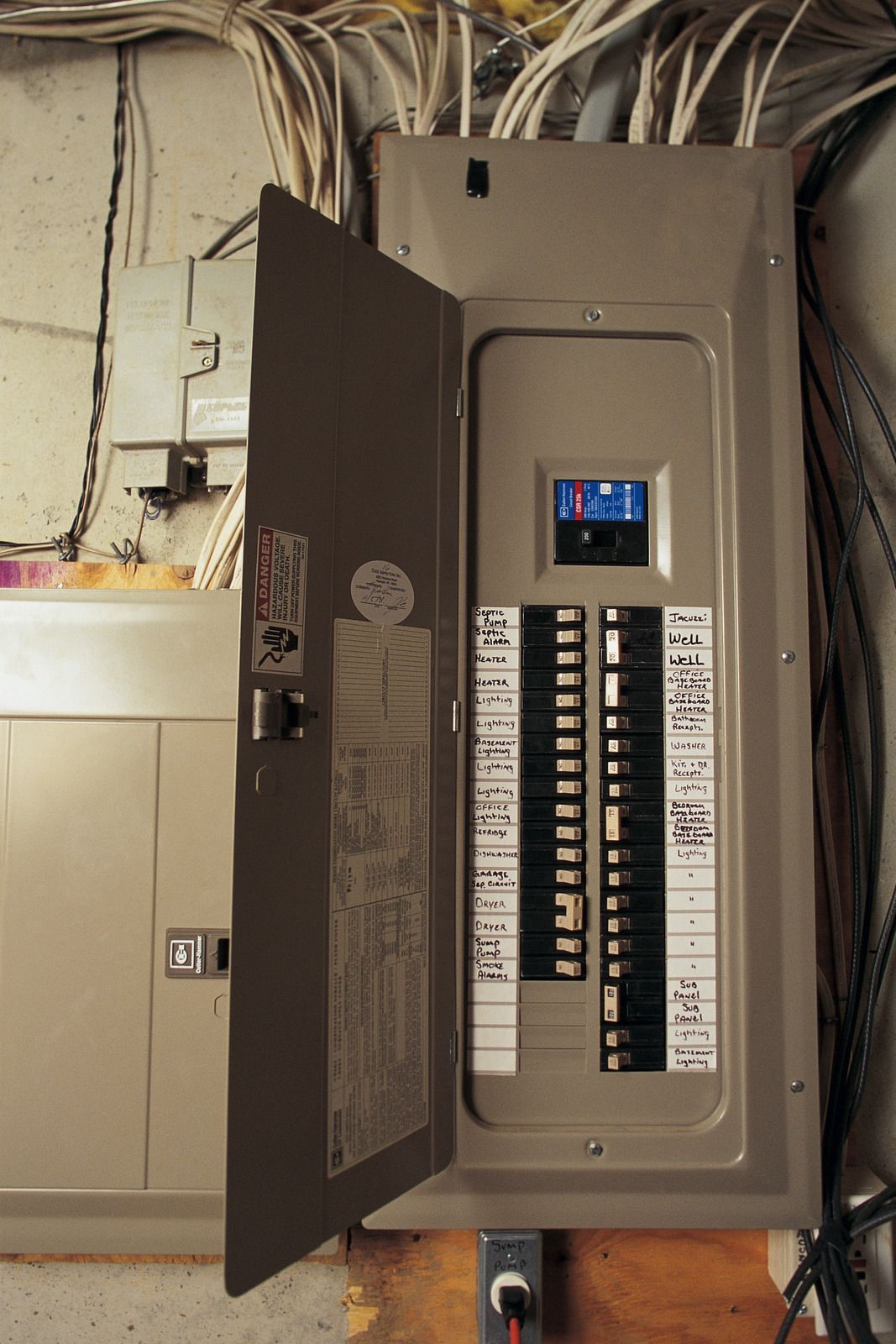
A circuit breaker is a switch with a built in sensor. Under normal conditions it simply carries current the way any switch would. The moment current on that circuit rises above the breaker's rated capacity, or takes a path it should not be taking, an internal mechanism inside the breaker releases and snaps the switch open. That single mechanical action is called tripping, and it happens to protect the wire insulation, the outlets, and everything plugged in downstream from overheating.
Electrical engineers generally sort the reasons a breaker trips into three categories, and each one leaves a different clue behind.
Overload
This is current that exceeds the circuit's rated capacity for long enough that the wire would start to overheat if the breaker did not step in. An overload builds gradually, so the trip usually happens after the circuit has been under load for a while, not the instant something is switched on.
Short Circuit
This happens when a hot wire touches a neutral wire or another hot wire directly, skipping the normal path through a light, motor, or appliance and taking a shortcut back to the source. Because there is almost no resistance in that shortcut, current spikes enormously in a fraction of a second, and the breaker trips instantly, often with a noticeable snap.
Ground Fault
This is current escaping its intended path and finding a way to ground, frequently through damaged insulation, a compromised appliance cord, or moisture intrusion. Ground faults can be lower level than a short circuit, which is why they sometimes trip a breaker only when a room is damp or when a specific appliance is plugged in, rather than every single time.
Knowing which of these three is happening on a given circuit is the difference between a five minute fix and a repair that needs a licensed electrician's tools and testing equipment.
The Most Common Reasons a Home Breaker Keeps Tripping
Most repeated trips trace back to a handful of everyday situations rather than anything exotic. Here is what we see most often when we walk through a home with a chronic tripping problem.
Too Many High Draw Appliances Sharing One Circuit
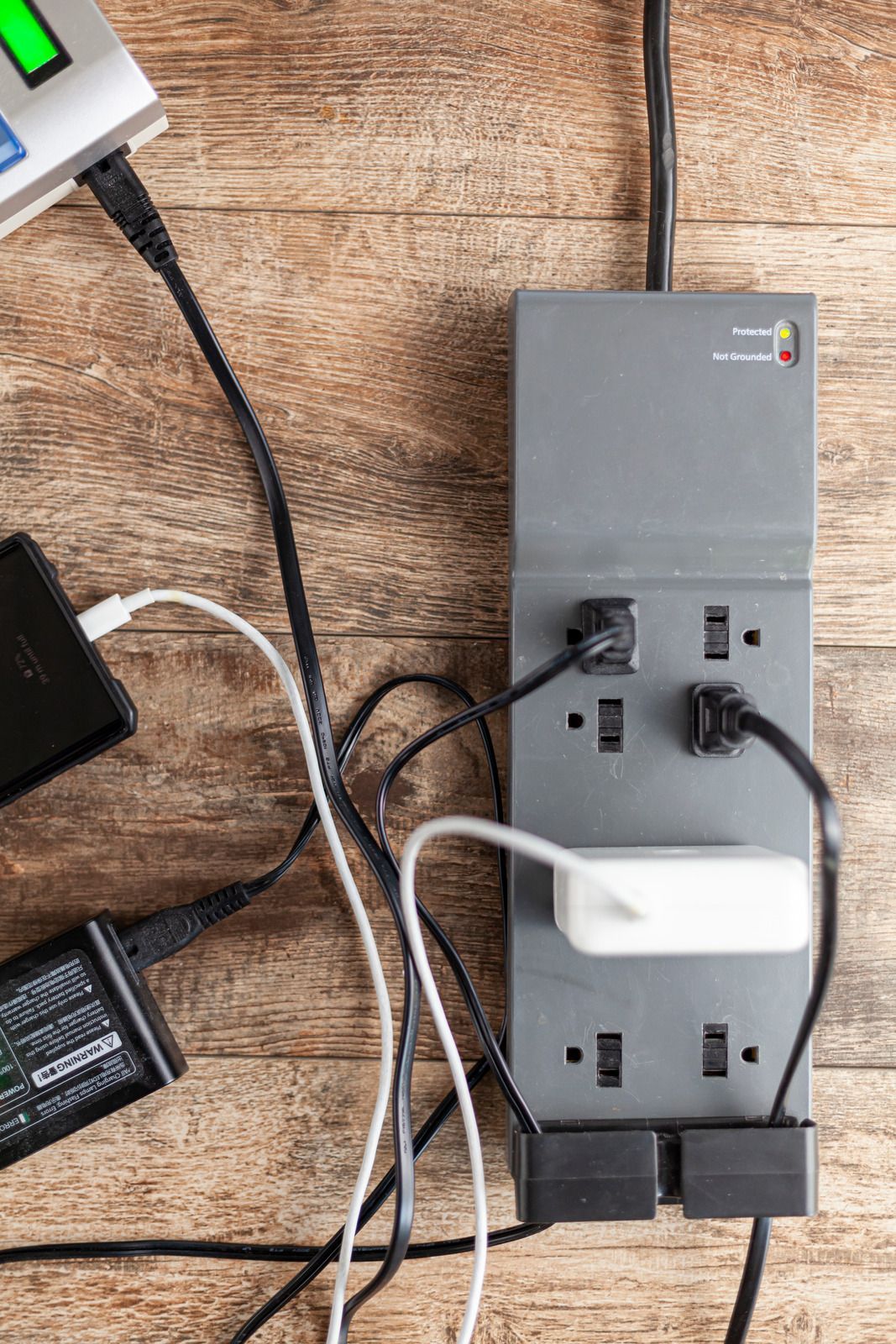
Kitchens are the classic example. A microwave, coffee maker, and toaster on one 15 amp circuit can push draw past what the breaker allows. In older homes, this is often the biggest culprit.
A Single Appliance With A Growing Internal Fault
Motors in refrigerators, sump pumps, well pumps, and air conditioners wear down over years. Degraded windings draw more current or develop an internal short, so one appliance tripping the breaker often points to itself.
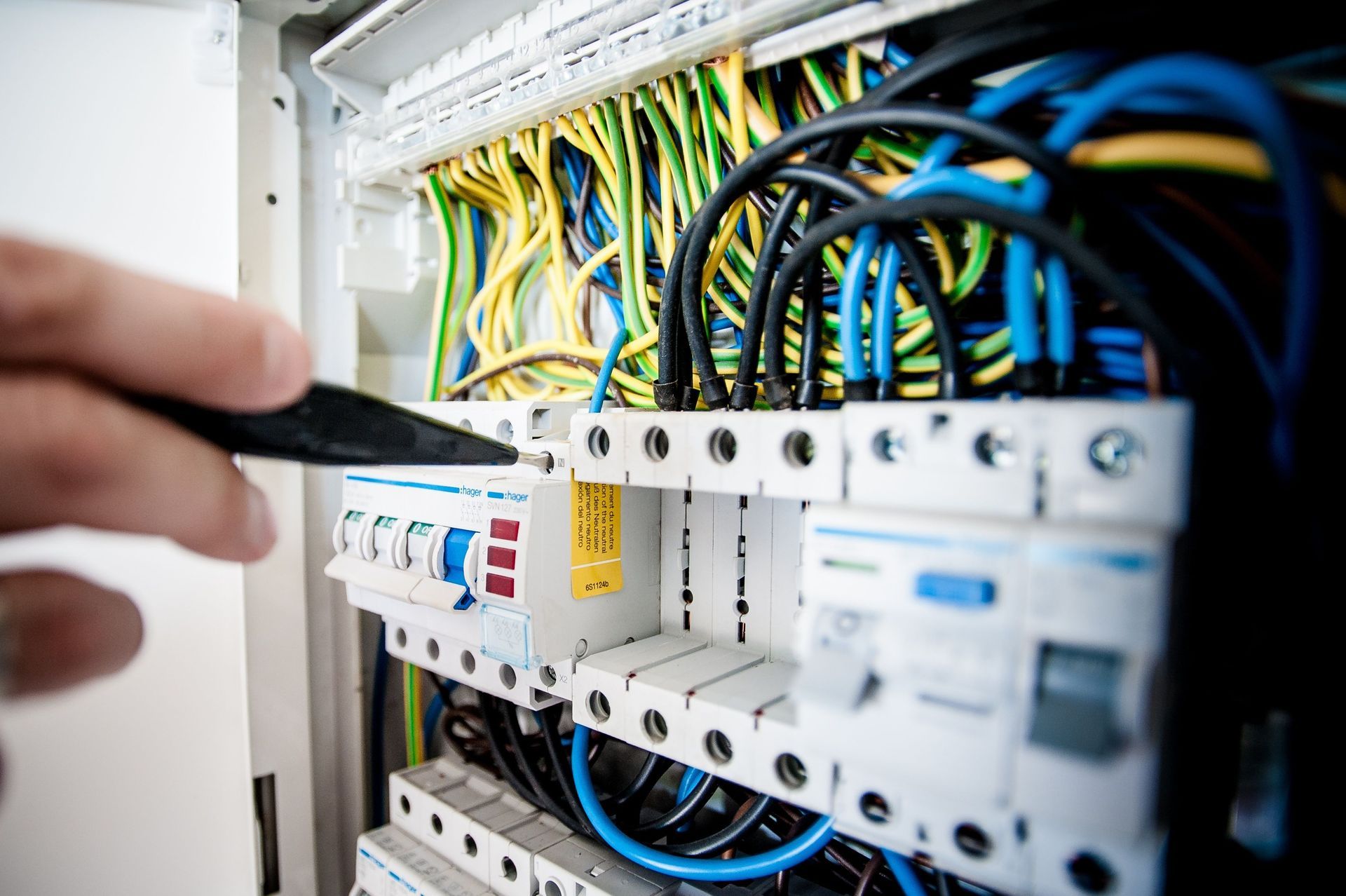
Damaged Or Pinched Wire Insulation
Rodents, staples driven through cable during a remodel, or aged, cracked wire can let a hot conductor touch a neutral or ground. This produces the sudden, instant trip typical of a short circuit.
Moisture Reaching A Circuit
Bathrooms, kitchens, garages, and outdoor circuits are the usual suspects. Water bridging a gap in a receptacle or exterior box gives current an unintended path to ground, tripping the breaker, often right after a storm.
Seasonal Load Spikes
Rural properties add load fast in fall and winter, with space heaters, well pump heat tape, and holiday lighting landing on circuits sized for summer. A circuit fine in July can trip in November from extra demand.
TIP: Keep a simple mental log of which breaker trips, what was running at the time, and whether it happened instantly or after a delay. That pattern is often the fastest way to narrow down overload, short, or ground fault before any troubleshooting even starts.
Aging Breakers and Older Panels
Not every tripping breaker points to a wiring problem. Breakers are mechanical devices with springs, contacts, and a trip mechanism that wears with age and use, the same way any switch that gets flipped thousands of times eventually loosens up. Depending on the type of breaker and the conditions inside the panel, typical service life runs anywhere from roughly fifteen to several decades, and that range narrows considerably when the panel sits in a damp crawlspace, an unheated shop, or a location exposed to temperature swings common in rural Lewis County outbuildings.
An aging breaker can fail in two opposite directions. It can become overly sensitive and start tripping under loads it used to handle without issue, which is often called nuisance tripping. Or, more concerning, it can become sluggish and fail to trip promptly when it actually needs to, which defeats the entire purpose of having overcurrent protection in the first place. A breaker that feels loose in the panel, does not click firmly into the on position, or shows discoloration or a burnt smell around the panel bus is signaling mechanical wear rather than a simple circuit overload. Panels original to homes built decades ago, along with older fuse boxes that were never upgraded to breaker technology, tend to show these symptoms first, since the components inside have simply logged more years of thermal cycling and switching than a newer panel.
Storm season adds another layer for homes across the service area. Power flicker during high wind events, tree limbs brushing service lines, and the surges that come with power restoration after an outage all put extra mechanical and electrical stress on a panel's breakers. A panel that has weathered several storm seasons without inspection is a reasonable candidate for a breaker that has simply reached the end of its reliable life, independent of anything happening downstream on the circuits it protects.
Why the Trip Pattern Matters More Than the Trip Itself
The timing of a trip carries real diagnostic information, and it is worth paying attention to before assuming the worst or dismissing the problem entirely.
Trips Immediately When A Device Is Switched On
This pattern usually indicates a short circuit inside the appliance, its cord, or outlet. The fault appears immediately when current begins flowing, causing the breaker to trip without delay.
Trips After The Circuit Has Been Running For Several Minutes
This slower pattern usually indicates thermal overload. Heat gradually builds inside the breaker until reaching its trip threshold, often because the circuit carries too much total electrical load.
Trips Only In Wet Conditions Or Specific Rooms
Bathrooms, kitchens, laundry areas, and exterior circuits that trip during humidity or rain often indicate ground faults. Moisture may enter boxes, fixtures, outlets, or poorly sealed cords, creating unwanted current paths.
Trips Across Multiple Unrelated Circuits
When breakers serving different circuits begin tripping around the same time, especially near shared neutrals, the electrical panel may require closer inspection rather than focusing on one individual circuit.
WARNING: Never hold a breaker in the on position with tape, a wedge, or repeated forceful resets. A breaker that will not stay on, that trips within seconds of being reset, or that shows scorch marks, melted plastic, or a burning odor is actively protecting the home from a fault. Turn off and leave off any breaker in that condition and have it evaluated before using that circuit again.
Frequently Asked Questions
Why does my breaker trip only when I use my hair dryer or space heater?
High wattage devices draw a lot of current at startup and often share a modest 15 or 20 amp circuit. Adding that draw to an existing small load pushes the total past what the breaker allows.
Is it dangerous to keep resetting a breaker that keeps tripping?
Resetting once after an obvious overload is fine. Repeated resets when it trips within seconds or feels warm usually mean an active short circuit or ground fault, and the breaker is refusing to stay closed on purpose.
Can a bad appliance trip a breaker even if the wiring in the house is fine?
Yes. Degraded motors or frayed internal cords can create a short or ground fault inside the appliance itself. Unplugging the suspect appliance for a few days shows whether the problem is the device, not the wiring.
Why does my breaker seem to trip more often during storms or power outages?
Voltage fluctuations during storms and the surge from power restoration stress breakers and connected equipment. Rural properties with overhead lines exposed to wind and falling limbs see this more than homes on buried, sheltered service.
How do I know if it's time to replace a breaker instead of just resetting it?
A breaker that won't hold a firm on position, trips below its usual load, feels warm, or shows discoloration is nearing the end of its service life. Mechanical parts used thousands of times eventually wear down.
Does a tripping breaker always mean there's a problem with the wiring?
Not always. Appliance faults, simple overloads, moisture related ground faults, and worn breakers are just as common as wiring issues. Narrowing down when and how the trip happens points to the actual category first.
What a Tripping Breaker Is Actually Telling You
A breaker trip carries real information, not an inconvenience to route around. Whether the culprit is an overloaded circuit, a failing appliance motor, moisture finding its way into a box, or a breaker simply worn from years of mechanical use, the trip itself is a clue pointing toward what happened in that second before the power cut. Reading that pattern, instant or delayed, one circuit or several, dry weather or wet, is what separates a five minute fix from a bigger problem left to grow.
CRU Electric
has diagnosed panels and chronic tripping problems across Toledo, WA for 16
years, working through the older wiring, well pumps, and storm-driven surges that rural Lewis County properties see more than most. That experience is what turns a scorch mark or a loose breaker handle into a clear answer instead of a guess. A panel read correctly the first time saves a home from the slow buildup of problems that come from ignoring what it was already trying to say.