Lighting plays a major role in the comfort, appearance, safety, and functionality of a home. Whether homeowners are upgrading outdated fixtures, adding recessed lighting, installing exterior security lights, or improving energy efficiency, professional lighting installation helps ensure every component operates safely and performs as intended. In Toledo, Washington, many residential properties require lighting solutions that accommodate changing household needs, modern technology, and updated electrical standards. Hiring a licensed electrician for home lighting installation provides more than fixture replacement. Professional service includes electrical planning, load evaluation, code compliance, wiring protection, and installation practices that help reduce future electrical problems while improving overall property value and convenience.
Many homeowners underestimate the complexity involved in lighting projects until problems arise from poor wiring, overloaded circuits, or improperly installed fixtures. DIY electrical work often creates safety risks that may lead to flickering lights, breaker trips, damaged wiring, or fire hazards. A licensed electrician understands local electrical requirements, proper installation methods, and safe power distribution for both indoor and outdoor lighting systems. Knowing what to expect during the installation process helps homeowners make informed decisions, prepare for the project, and understand how professional electrical service contributes to long-term safety, reliability, and performance throughout the home.
Understanding the Initial Lighting Consultation
Evaluating Existing Electrical Systems
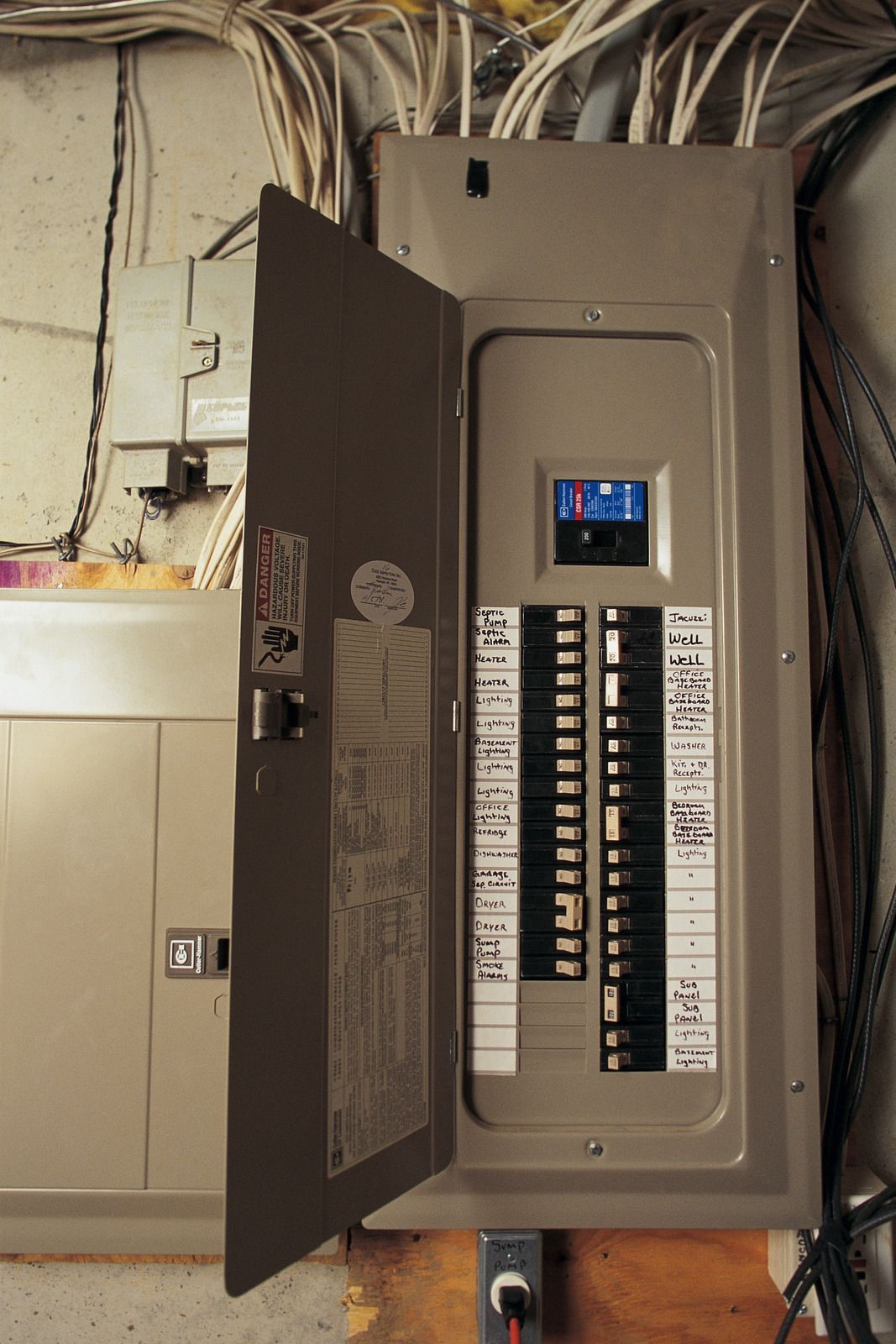
A professional lighting installation project typically begins with a detailed assessment of the home’s existing electrical infrastructure. Licensed electricians inspect wiring conditions, breaker panels, switch locations, fixture compatibility, and overall electrical capacity before beginning installation work. This evaluation helps identify outdated wiring, overloaded circuits, grounding concerns, or code violations that may affect the lighting project.
Older homes may require electrical upgrades before new fixtures can be safely installed. For example, recessed lighting, pendant lighting, or landscape lighting systems may place additional demand on existing circuits. During the consultation process, electricians determine whether the current electrical system can safely support the new installation without creating performance issues.
Discussing Lighting Goals and Design Preferences
Lighting installations are not limited to technical requirements alone. Homeowners also discuss functionality, aesthetics, room usage, and lighting preferences during the planning phase. Kitchens often require task lighting for food preparation, while living rooms may benefit from layered ambient lighting and dimmer controls. Exterior lighting installations may focus on security, visibility, or curb appeal.
Professional electricians help homeowners understand fixture placement, brightness levels, energy-saving options, and lighting layouts that improve daily living. These recommendations allow property owners to create lighting systems that combine visual appeal with practical performance.
What Happens During the Installation Process
Safe Removal of Existing Fixtures
Before installing new lighting components, electricians safely disconnect and remove old fixtures, switches, and wiring where necessary. Power is shut off and verified before any electrical work begins. This step protects both the home and occupants from accidental electrical hazards during installation.
In some cases, older fixtures may reveal hidden electrical concerns such as deteriorated wiring, loose connections, or improperly installed junction boxes. Identifying these issues early helps prevent future safety problems and allows repairs to be completed before the new installation proceeds.
Wiring and Circuit Modifications
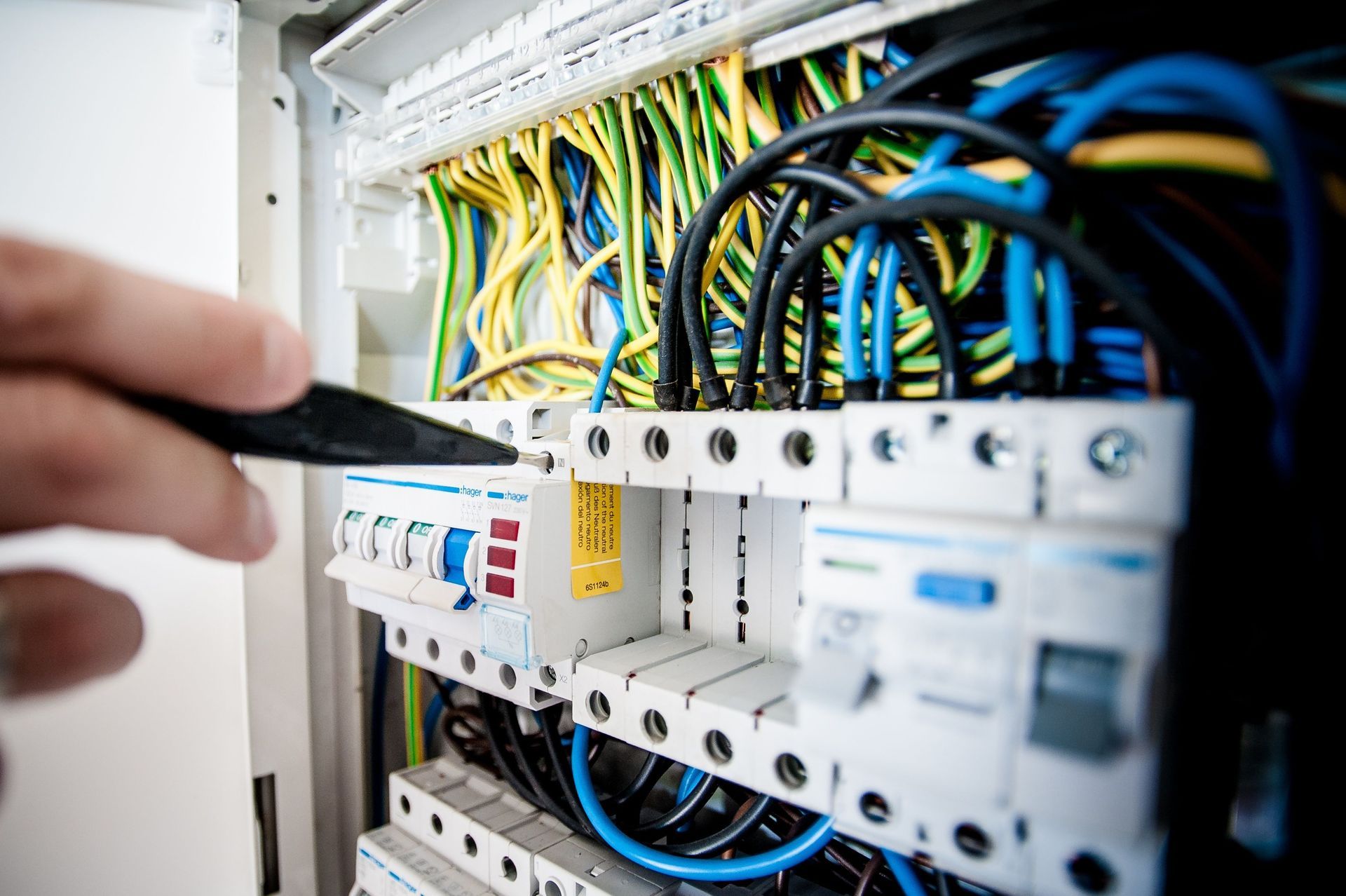
Lighting projects frequently require new wiring pathways, switch relocations, or dedicated circuits depending on fixture type and electrical demand. Licensed electricians use proper wiring methods that comply with current electrical codes while minimizing disruption to walls, ceilings, and structural components.
For example, installing recessed lighting in multiple rooms may require extensive wiring adjustments to maintain balanced electrical loads across circuits. Outdoor lighting systems often require weather-resistant wiring and GFCI protection to reduce moisture-related electrical risks.
Proper circuit planning helps ensure stable lighting performance while reducing the likelihood of overloaded breakers or inconsistent operation after installation.
Fixture Installation and Testing
Once wiring and electrical preparation are complete, the lighting fixtures are mounted, connected, and tested. Electricians verify voltage levels, switch operation, dimmer compatibility, and fixture alignment before completing the project.
Professional testing ensures lights operate safely without flickering, overheating, or power interruptions. Installations involving smart lighting systems, motion sensors, or programmable controls may also include setup assistance and operational guidance for homeowners.
Benefits of Hiring a Licensed Electrician
Improved Electrical Safety
Safety remains one of the most important reasons to hire a licensed electrician for lighting installation. Electrical systems contain significant risks when handled improperly, especially in homes with aging wiring or outdated electrical panels.
Licensed electricians understand grounding requirements, circuit protection standards, wire sizing, and safe installation practices. These factors help reduce fire risks, electrical shock hazards, and equipment damage caused by improper electrical work.
For example, improperly installed fixtures may overheat due to loose connections or incompatible wattage levels. Professional installation helps prevent these issues while supporting long-term system reliability.
Compliance With Electrical Codes
Residential electrical work must comply with local and national electrical codes to maintain safety standards and avoid inspection issues. Licensed electricians stay informed about code updates and installation requirements affecting residential lighting systems.
Code-compliant installations help homeowners avoid complications during future home sales, insurance claims, or remodeling projects. Improper DIY electrical work may create expensive corrections later if inspections uncover unsafe or unauthorized modifications.
Better Long-Term Performance
Professional lighting installation often results in fewer maintenance problems and improved fixture lifespan. Proper wiring connections, secure mounting methods, and balanced electrical distribution help lighting systems operate more reliably over time.
Homeowners also benefit from professional recommendations regarding LED upgrades, dimmer systems, energy-efficient fixtures, and lighting layouts designed for durability and performance.
Types of Home Lighting Installations Commonly Requested
Interior Lighting Upgrades
Many homeowners hire electricians to modernize interior lighting systems that no longer provide adequate brightness or functionality. Popular upgrades include recessed lighting, pendant fixtures, chandeliers, under-cabinet lighting, and dimmer switch installations.
Kitchen remodels frequently involve layered lighting systems that combine ambient, accent, and task lighting for improved visibility and visual appeal. Bathroom lighting installations often focus on brighter vanity illumination and moisture-resistant fixtures.
Bedrooms, living rooms, and home offices may also receive upgraded lighting layouts designed to improve comfort, productivity, and energy efficiency.
Exterior and Security Lighting
Outdoor lighting installations provide both practical and aesthetic benefits for residential properties. Pathway lighting, driveway lighting, motion-activated fixtures, porch lights, and landscape illumination help improve nighttime visibility and property security.
Professionally installed exterior lighting systems are designed to withstand weather exposure while maintaining safe electrical operation. Electricians use outdoor-rated materials and protective wiring methods that reduce moisture intrusion and electrical deterioration.
Security lighting installations may also include motion sensors, timer systems, and smart controls that improve convenience while discouraging trespassing and unauthorized activity around the property.
Smart Lighting and Energy-Efficient Systems
Modern homeowners increasingly request smart lighting systems that allow remote operation, scheduling, and energy management through mobile devices or voice-controlled technology.
Licensed electricians help install compatible smart switches, integrated controls, programmable dimmers, and LED lighting systems designed to reduce energy consumption. These upgrades help lower utility costs while giving homeowners greater control over household lighting conditions.
Energy-efficient lighting also produces less heat compared to older incandescent fixtures, which may help reduce strain on cooling systems during warmer seasons.
Preparing Your Home for Professional Lighting Installation
Clearing Work Areas
Homeowners can help simplify the installation process by preparing workspaces before the electrician arrives. Moving furniture, protecting valuables, and ensuring clear access to electrical panels and fixture locations helps improve efficiency during the project.
Outdoor lighting installations may also require landscaping access or removal of temporary obstacles around pathways and installation zones.
Asking Questions Before Work Begins
Clear communication helps homeowners understand the project timeline, installation process, expected disruptions, and maintenance recommendations. Discussing fixture selections, switch locations, and lighting preferences before work begins reduces confusion and supports smoother project completion.
Homeowners should also ask about warranties, permit requirements, and potential electrical upgrades that may affect the scope of work.
Understanding Project Timelines
Lighting installation timelines vary depending on project complexity, wiring accessibility, fixture quantity, and electrical modifications required. Simple fixture replacements may take only a few hours, while larger whole-home lighting upgrades can require multiple days.
Professional electricians explain realistic scheduling expectations and help homeowners understand what to expect throughout each stage of the installation process.
Dedicated Residential Electricians Delivering Quality Lighting Solutions
Hiring a licensed electrician for home lighting installation provides homeowners with professional guidance, safe electrical workmanship, and dependable long-term performance. From the initial consultation to final testing, every stage of the process plays an important role in creating lighting systems that improve comfort, visibility, safety, and energy efficiency throughout the home. Professional installation also helps identify hidden electrical concerns that could otherwise create serious problems later. Professional electricians understand how to balance aesthetics, electrical performance, and code compliance while minimizing installation risks and future maintenance concerns. Investing in licensed electrical work protects both the property and the people living inside it.
For homeowners seeking dependable
lighting installation services, CRU Electric
provides trusted residential electrical solutions backed by 16
years of industry experience in Toledo, Washington. Our approach focuses on safe installations, detailed electrical evaluations, and lighting systems designed to meet the needs of modern households. We understand that every home requires careful planning, reliable workmanship, and attention to long-term performance when electrical upgrades are involved. From interior fixture installations to outdoor lighting improvements and smart lighting integration, we help homeowners create functional, attractive, and code-compliant lighting systems that support daily comfort and safety. Our commitment to professional service, transparent communication, and quality electrical work allows homeowners to move forward with confidence during every stage of the lighting installation process.